
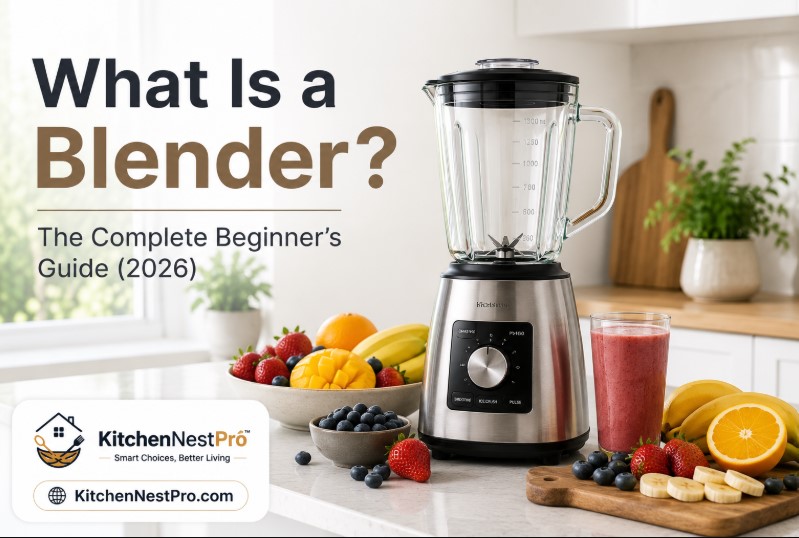
What Is a Blender?
A blender is one of the most versatile kitchen appliances designed to mix, blend, puree, chop and liquefy a wide variety of ingredients. Whether you’re making smoothies, soups, sauces, milkshakes or baby food. A blender helps you prepare recipes quickly and with minimal effort.
Blenders are available in different sizes and styles to suit various cooking needs. From compact personal blenders for single-serving smoothies to high-performance countertop models capable of crushing ice and blending frozen fruits, there is a blender for nearly every household.
Today, a blender has become an essential appliance in many kitchens because it saves time, reduces manual work and makes healthy meal preparation much easier.
How Does a Blender Work?
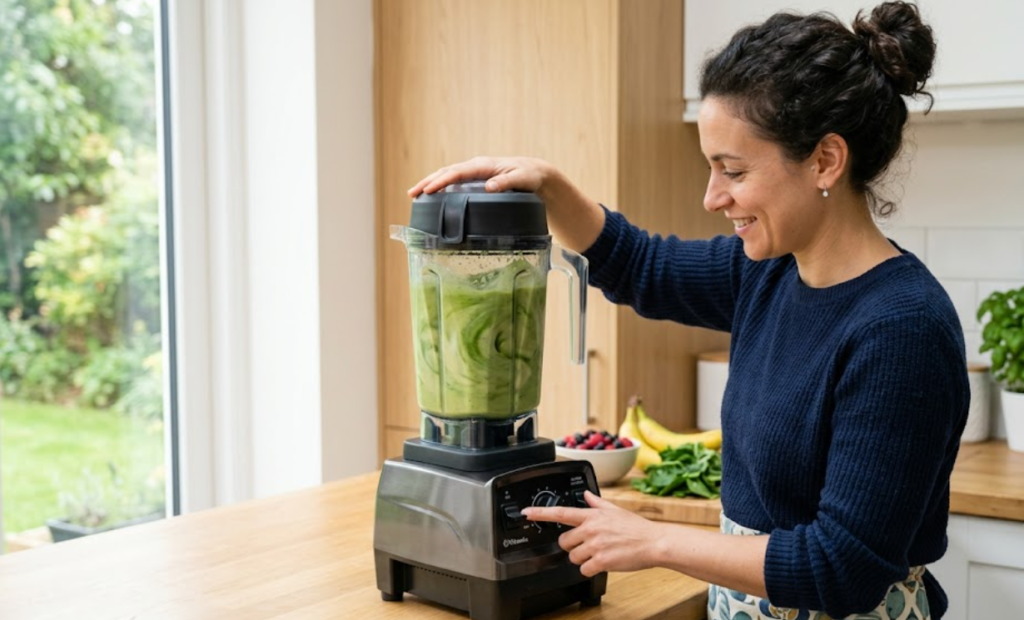
A blender works using an electric motor connected to sharp rotating blades located at the bottom of the blending jar. When switched on, the motor spins the blades at thousands of revolutions per minute (RPM), creating a powerful vortex that pulls ingredients toward the blades.
As ingredients circulate inside the jar, they are repeatedly cut, crushed and mixed until the desired consistency is achieved. Different speed settings allow users to prepare everything from chunky salsa to silky-smooth soups and creamy smoothies.
Many modern blenders also include preset programs for smoothies, frozen drinks, soups or ice crushing, making them even easier to use.
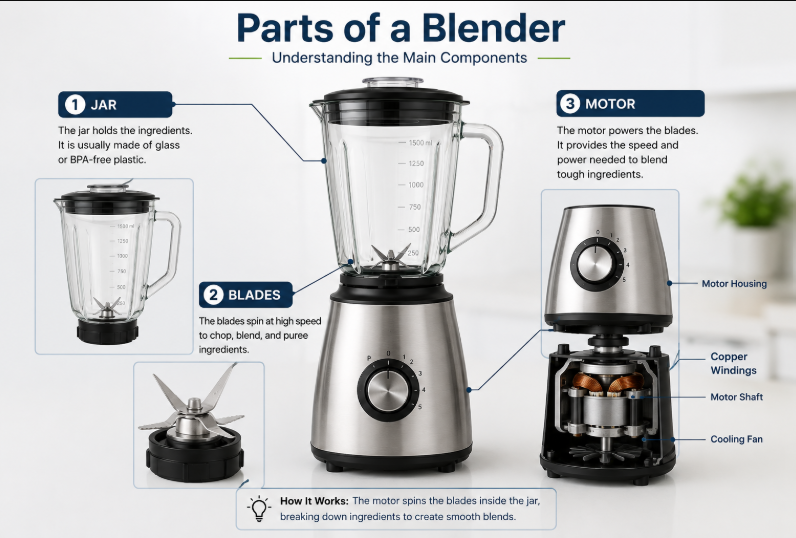
Main Parts of a Blender
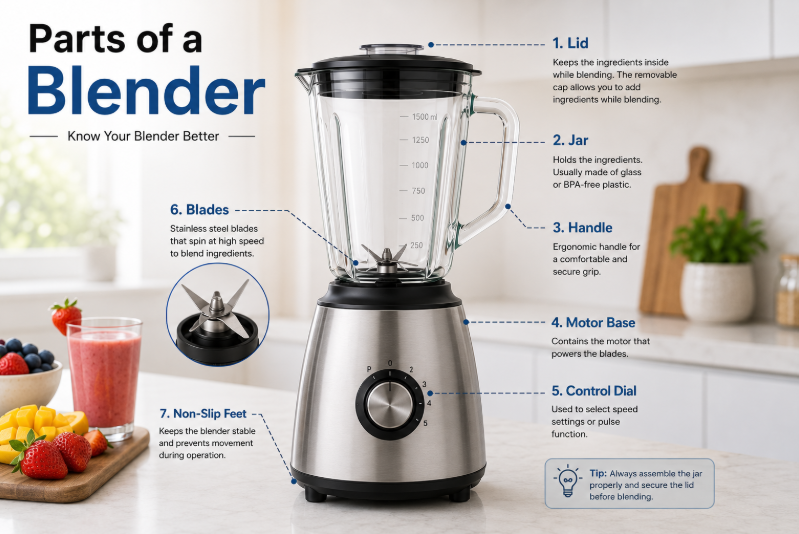
Although blender designs vary, most models include the following components:
1. Motor Base
The motor base houses the electric motor that powers the blades. More powerful motors generally provide smoother blending and better performance with hard ingredients.
2. Blender Jar
The jar holds the ingredients during blending. It may be made of glass, plastic or Tritan material.
3. Blade Assembly
Sharp stainless steel blades are responsible for chopping, crushing and blending ingredients efficiently.
4. Lid
The lid prevents spills during operation and often includes a removable center cap for adding ingredients while blending.
5. Control Panel
Most blenders feature buttons, dials, or digital controls that allow users to select speeds and blending programs.
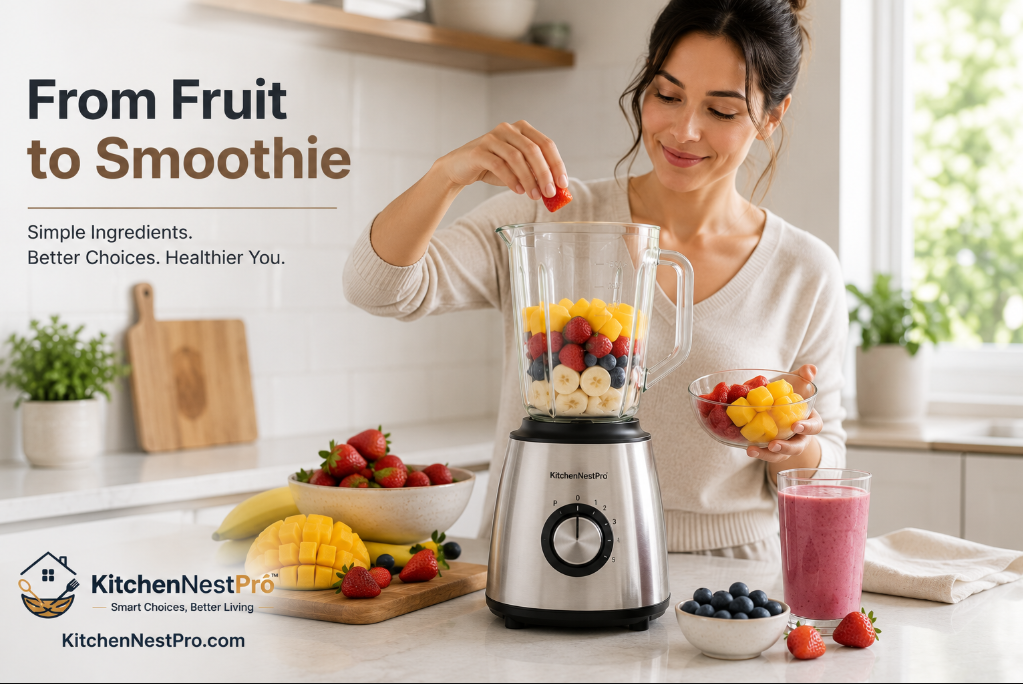
Why Every Kitchen Needs a Blender
A quality blender can simplify many everyday cooking tasks. Instead of spending time chopping, mixing or mashing ingredients by hand, a blender performs these jobs in seconds.
Whether you’re preparing breakfast smoothies, creamy soups, homemade sauces, protein shakes or fresh fruit juices, a blender helps you save time while achieving consistent results.
For families who enjoy healthy eating, a blender makes it much easier to include fresh fruits and vegetables in daily meals.
Types of Blenders
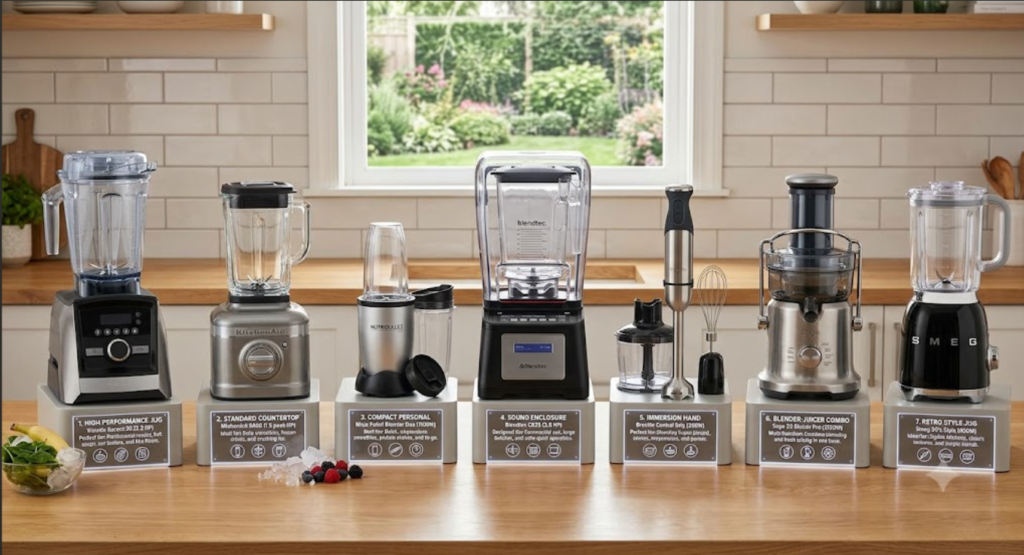
Blenders come in several designs, each created for different cooking needs. Understanding these types will help you choose the right appliance for your kitchen.
1. Countertop Blenders
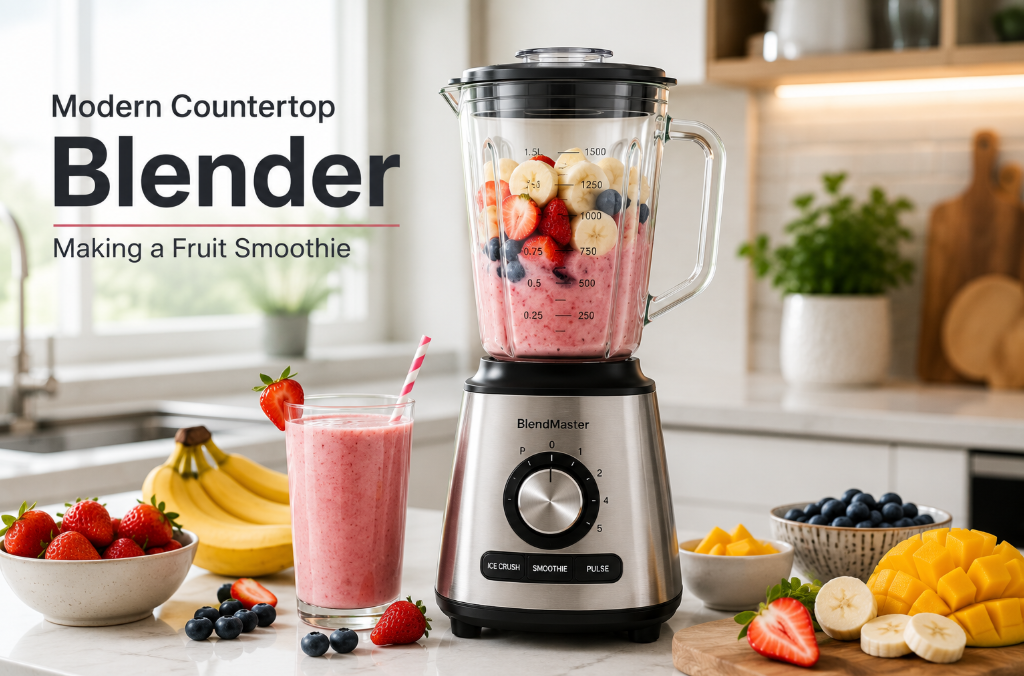
Countertop blenders are the most common type found in homes. They feature a large blending jar placed on a powerful motor base, making them suitable for preparing smoothies, soups, milkshakes, sauces and frozen drinks.
They usually have multiple speed settings and can process both soft and hard ingredients with ease.
Best For:
- Families
- Daily cooking
- Smoothies
- Ice crushing
2. Personal Blenders
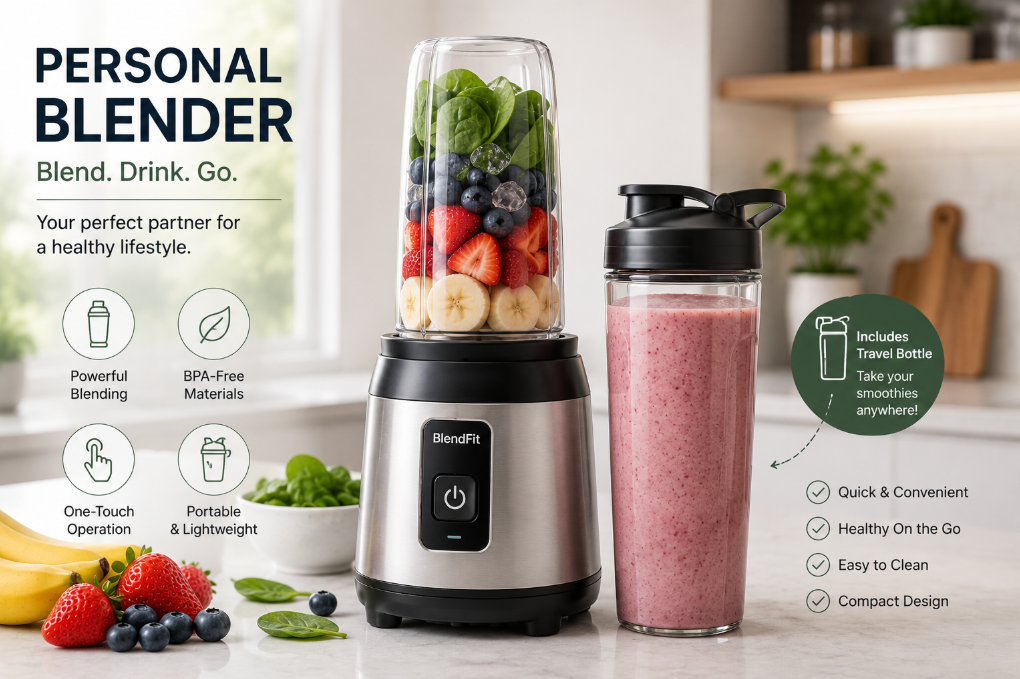
Personal blenders are compact appliances designed for preparing single servings. Many models include portable travel cups that allow users to blend and drink from the same container.
These blenders are ideal for busy people who enjoy protein shakes, smoothies or quick breakfast drinks.
Best For:
- Students
- Office workers
- Fitness enthusiasts
- Small kitchens
3. High-Performance Blenders
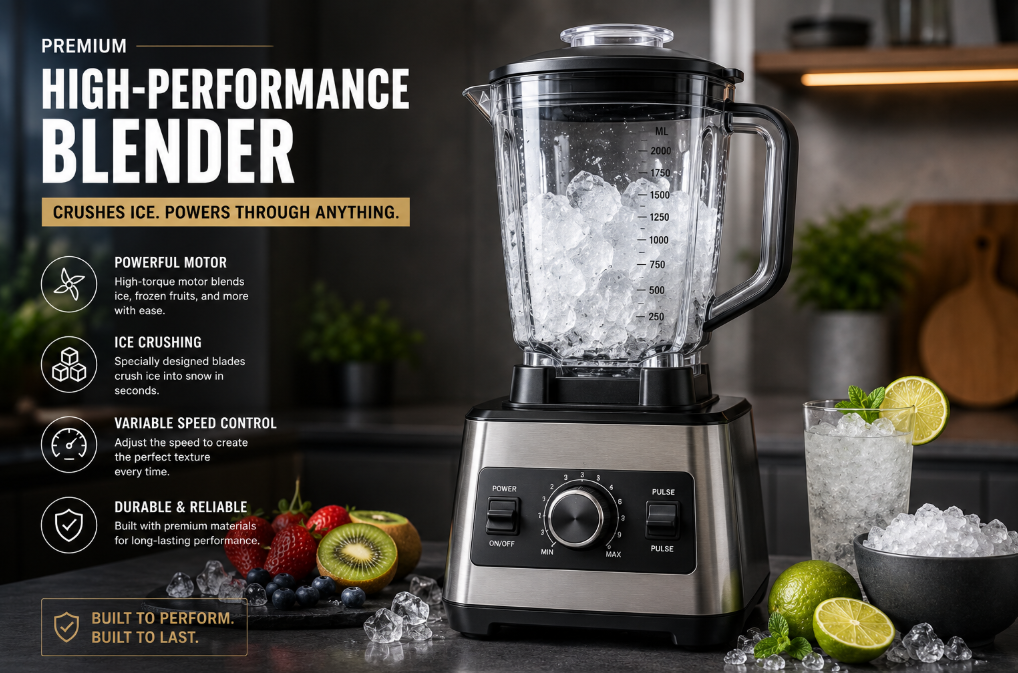
High-performance blenders use powerful motors that can crush ice, grind nuts, blend frozen fruits and even prepare hot soups through blade friction.
Although they cost more than standard models, they offer exceptional performance and durability.
Best For:
- Frequent cooking
- Smooth nut butters
- Frozen desserts
- Professional-quality blending
4. Immersion Blenders (Hand Blenders)
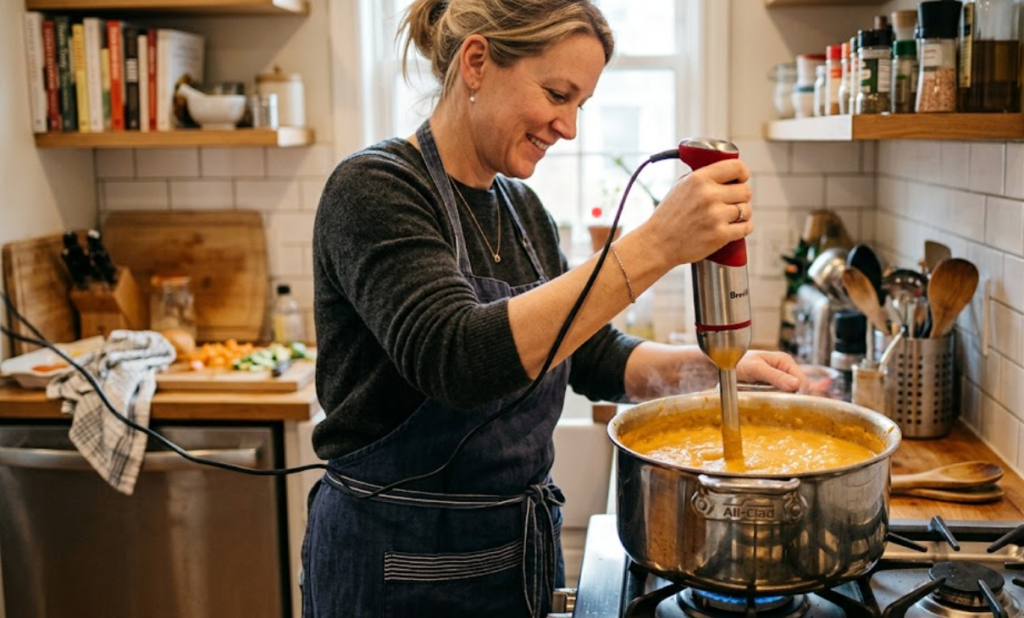
An immersion blender is a handheld appliance with blades attached to the end of a long shaft. Instead of transferring food into a blender jar, you simply place the blender directly into a pot or bowl.
These are perfect for blending soups, sauces, and purees.
Best For:
- Soups
- Sauces
- Baby food
- Small blending tasks
Common Uses of a Blender
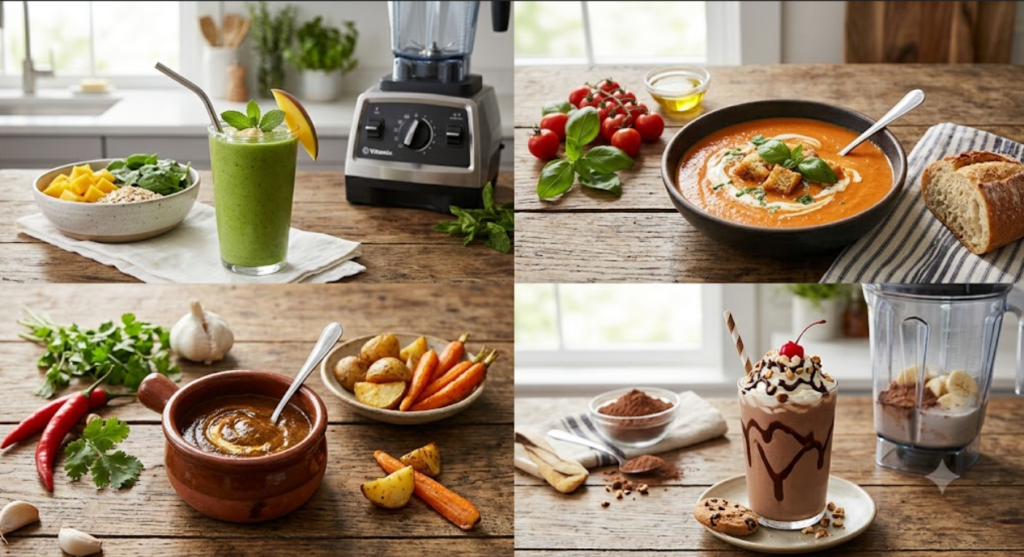
Blenders are incredibly versatile and can be used for many everyday kitchen tasks.
Some of the most popular uses include:
- Making fruit smoothies
- Preparing protein shakes
- Mixing milkshakes
- Pureeing baby food
- Blending soups
- Making sauces and dips
- Crushing ice
- Preparing pancake batter
- Grinding soft ingredients
- Mixing salad dressings
A good-quality blender can replace several manual kitchen tools, making meal preparation faster and more convenient.
Advantages of Using a Blender
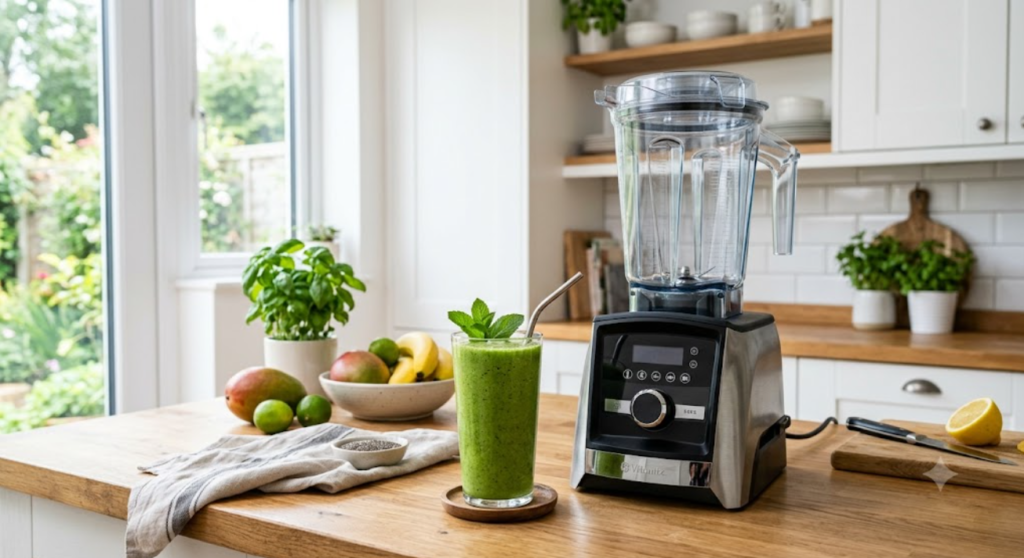
Using a blender offers many benefits for home cooks and busy families.
✔ Saves Time
Ingredients can be blended in seconds, reducing meal preparation time.
✔ Encourages Healthy Eating
Fresh smoothies, soups, and vegetable drinks become quick and easy to prepare.
✔ Versatile Appliance
One blender can perform multiple tasks including blending, mixing, pureeing and crushing ice.
✔ Easy to Operate
Most modern blenders have simple controls and preset programs.
✔ Easy to Clean
Many blender jars and lids are dishwasher-safe, making cleanup convenient.
Disadvantages of a Blender
Although blenders are extremely useful, they do have a few limitations.
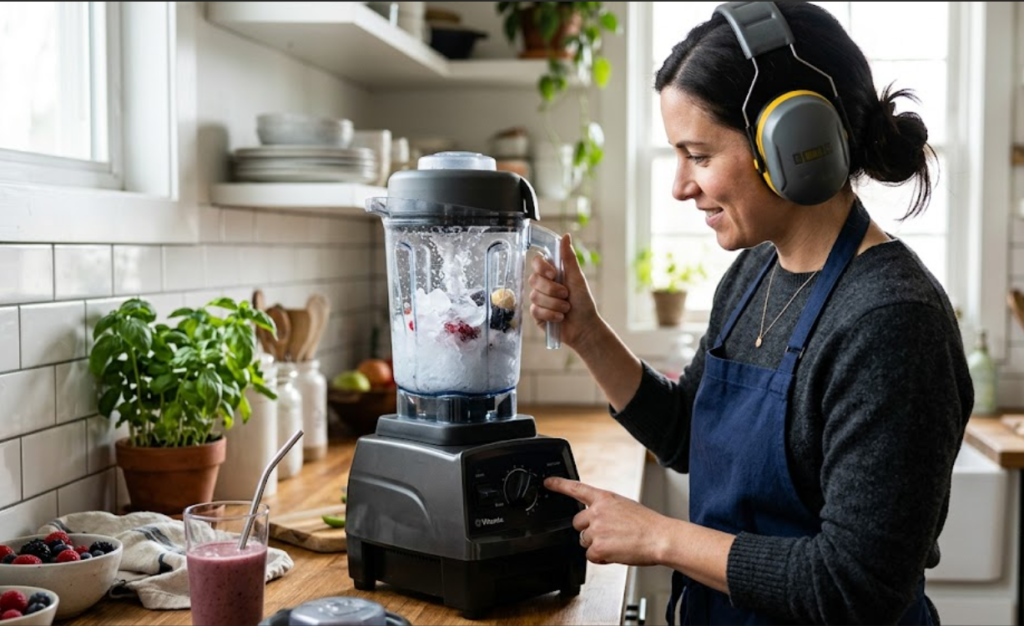
1. Can Be Noisy
High-powered blenders often produce significant noise while operating, especially when crushing ice or blending frozen ingredients.
2. Limited Food Processing
Unlike food processors, most blenders are not ideal for slicing, shredding, or kneading dough.
3. Requires Electricity
A blender cannot operate during power outages unless connected to a backup power source.
4. Lower-Powered Models Have Limits
Budget blenders may struggle with hard ingredients such as frozen fruit, nuts, or large ice cubes.
How to Choose the Right Blender
Selecting the best blender depends on your cooking habits and budget. Consider these important factors before buying.
Motor Power
Choose at least 500–700 watts for everyday use. If you regularly crush ice or blend frozen ingredients, look for 1000 watts or more.
Jar Capacity
- Personal Blender: 300–700 ml
- Small Family: 1–1.5 liters
- Large Family: 2 liters or more
Jar Material
- Glass: Scratch-resistant but heavier.
- Plastic/Tritan: Lightweight and durable.
Speed Settings
Multiple speeds provide better control for different recipes.
Blade Quality
Stainless steel blades remain sharp longer and perform better.
Safety Features
Choose a blender with:
- Non-slip feet
- Safety lock
- Overload protection
Safety Tips When Using a Blender
Using a blender safely helps prevent accidents and extends the appliance’s lifespan.
- Always secure the lid before blending.
- Never place your hands inside the jar while the blades are moving.
- Cut large fruits and vegetables into smaller pieces.
- Avoid overfilling the blender jar.
- Unplug the blender before cleaning or changing the blades.
- Keep the appliance away from children during operation.
Cleaning and Maintenance
Proper maintenance keeps your blender performing efficiently for years.
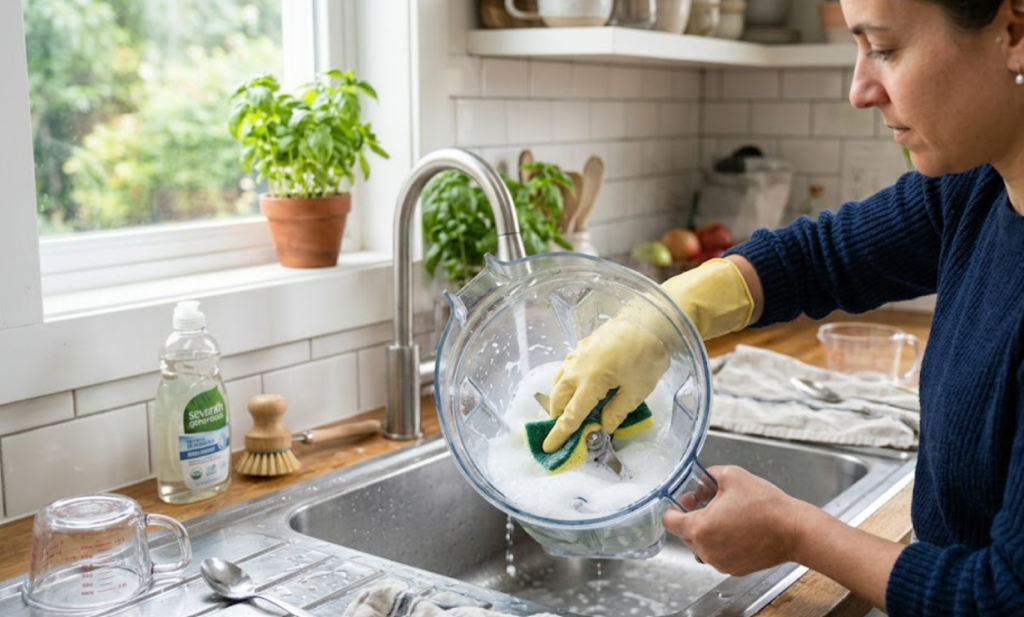
Daily Cleaning
- Rinse the jar immediately after use.
- Add warm water and a few drops of dish soap.
- Blend for 20–30 seconds.
- Rinse thoroughly and allow all parts to dry.
Weekly Maintenance
- Inspect the blades for wear.
- Clean the rubber gasket.
- Wipe the motor base with a damp cloth.
- Never immerse the motor base in water.
Frequently Asked Questions (FAQs)
Can a blender crush ice?
Yes. Many modern blenders can crush ice, but high-powered models perform this task more efficiently.
Can I use a blender to make hot soup?
Yes. Some blenders are designed to blend hot ingredients. Always check the manufacturer’s instructions before blending hot liquids.
What is the difference between a blender and a food processor?
A blender is ideal for liquids, smoothies, soups, and purees, while a food processor is better for chopping, slicing, shredding, and kneading.
How long does a blender usually last?
With proper care and regular maintenance, a quality blender can last 5–10 years, depending on its build quality and frequency of use.
Which blender is best for smoothies?
A countertop blender with a powerful motor and stainless steel blades is usually the best choice for smooth, consistent smoothies.
Conclusion
A blender is one of the most valuable kitchen appliances for preparing smoothies, soups, sauces, shakes, and many other recipes. Understanding how blenders work, the different types available, and the features that matter most will help you choose the right model for your kitchen.
Whether you’re a beginner looking for a simple personal blender or a home chef seeking a powerful countertop model, selecting the right appliance can save time, encourage healthier eating and make meal preparation much more enjoyable.
Before making a purchase, compare motor power, jar capacity, blade quality, safety features and ease of cleaning to ensure the blender meets your cooking needs.
Also Read: What is a Microwave Oven?
Also Read: What is an Air Fryer?
Proper cleaning helps prevent food contamination. The U.S. Food & Drug Administration (FDA) also recommends safe food handling and proper cleaning of kitchen equipment.