
What Is a Bread Maker?
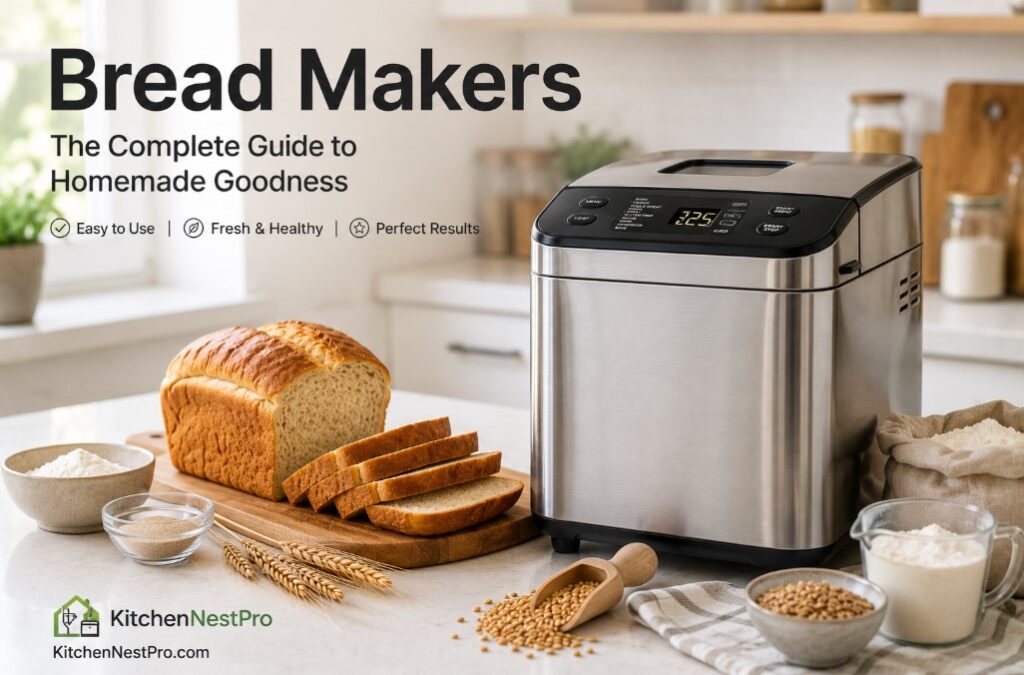
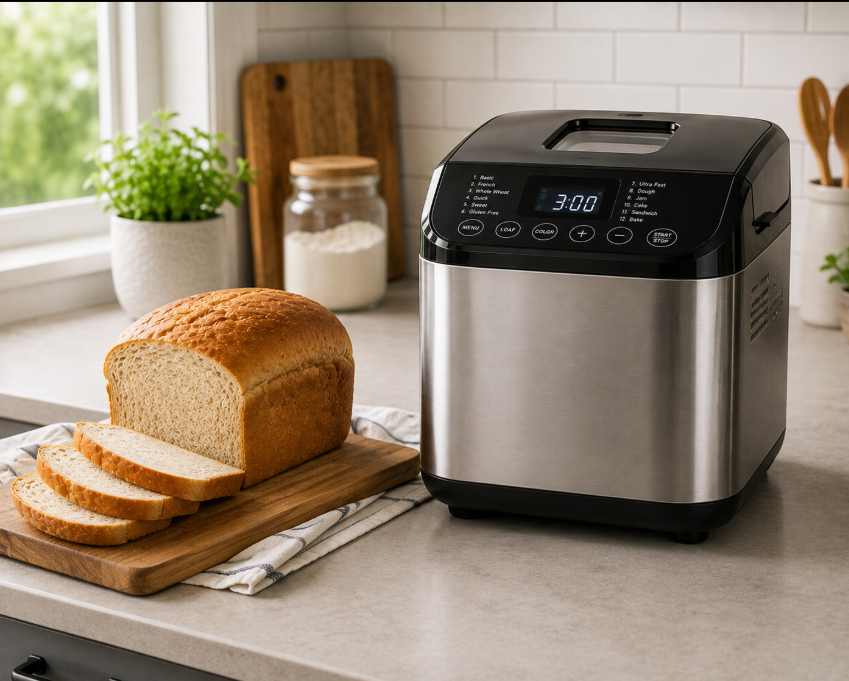
A bread maker, also known as a bread machine, is an automatic kitchen appliance designed to make fresh homemade bread with minimal effort. It combines several essential baking processes—including mixing, kneading, proofing (rising) and baking—into one convenient machine. Simply add the ingredients, choose a program and let the bread maker do the rest.
Unlike traditional bread baking, which requires manual kneading and close attention, a bread maker automates the entire process. This makes it an excellent choice for beginners, busy families and anyone who enjoys fresh bread without spending hours in the kitchen.
Modern bread makers offer a wide range of automatic programs for different types of bread, including white bread, whole wheat bread, gluten-free bread, French bread, sweet bread and even pizza dough. Some advanced models can also prepare cake batter, jam, yogurt and pasta dough, making them a versatile addition to any kitchen.
One of the biggest advantages of using a bread maker is the ability to control the ingredients. You can choose healthier flours, reduce sugar and salt, avoid preservatives and customize recipes to suit your dietary preferences. Freshly baked bread also fills your home with an inviting aroma and often tastes better than many store-bought loaves.
Whether you want soft sandwich bread for breakfast, homemade pizza dough for dinner or artisan-style bread for special occasions, a bread maker can help you achieve consistent results with very little effort.
How Does a Bread Maker Work?
A bread maker performs every major step of bread making automatically using a programmed sequence.
First, you add the ingredients into the bread pan according to the recipe. Most recipes recommend adding liquids first, followed by dry ingredients, with the yeast added last to ensure proper activation.
After selecting the desired program, the bread maker begins mixing the ingredients using a kneading paddle located inside the bread pan. The machine thoroughly combines the flour, water, yeast, salt, sugar, and other ingredients to create a smooth dough.
Once mixing is complete, the machine kneads the dough to develop gluten, which gives bread its soft texture and structure. It then allows the dough to rest and rise in a warm environment, helping the yeast produce carbon dioxide that makes the dough expand.
After the rising cycle is complete, the bread maker automatically starts baking the bread using its built-in heating element. Depending on the selected program and loaf size, the entire process usually takes between 2 and 5 hours.
When baking is finished, many bread makers automatically switch to a keep warm mode to maintain freshness until the loaf is removed.
Because every stage is controlled by the machine, users can enjoy freshly baked bread without constant supervision.

Main Parts of a Bread Maker
Understanding the main components of a bread maker helps users operate and maintain it properly.
1. Bread Pan
The bread pan is a removable non-stick container where all ingredients are placed. It holds the dough throughout mixing, kneading, rising and baking.
2. Kneading Paddle
Located inside the bread pan, the kneading paddle rotates to mix and knead the dough automatically. Some bread makers include removable paddles that leave smaller holes in the finished loaf.
3. Heating Element
The heating element surrounds the bread pan and provides even heat during baking to produce a golden-brown crust.
4. Control Panel
Most bread makers include an easy-to-use control panel with buttons or a digital display. Users can select loaf size, crust color, baking programs, delay timer and other settings.
5. Lid and Viewing Window
Many bread makers feature a transparent viewing window that allows users to monitor the baking process without opening the lid and releasing heat.
6. Automatic Dispenser (Available on Some Models)
Premium bread makers include automatic dispensers for nuts, seeds, raisins or chocolate chips. These ingredients are added at the correct stage of the baking cycle without user intervention.

Why Every Kitchen Needs a Bread Maker
A bread maker offers convenience, consistency and healthier homemade bread. Instead of relying on commercially produced bread that may contain preservatives and additives, you can bake fresh loaves whenever you want using ingredients of your choice.
Families who eat bread regularly often find that making bread at home becomes more economical over time. It also allows you to experiment with different recipes, including whole wheat, multigrain, gluten-free and specialty breads.
For busy individuals, the delay timer is especially useful. Simply load the ingredients before bed or before leaving for work and wake up or return home to the aroma of freshly baked bread.
Whether you’re baking for everyday meals or special occasions, a bread maker simplifies the entire process while delivering delicious, consistent results.
Types of Bread Makers
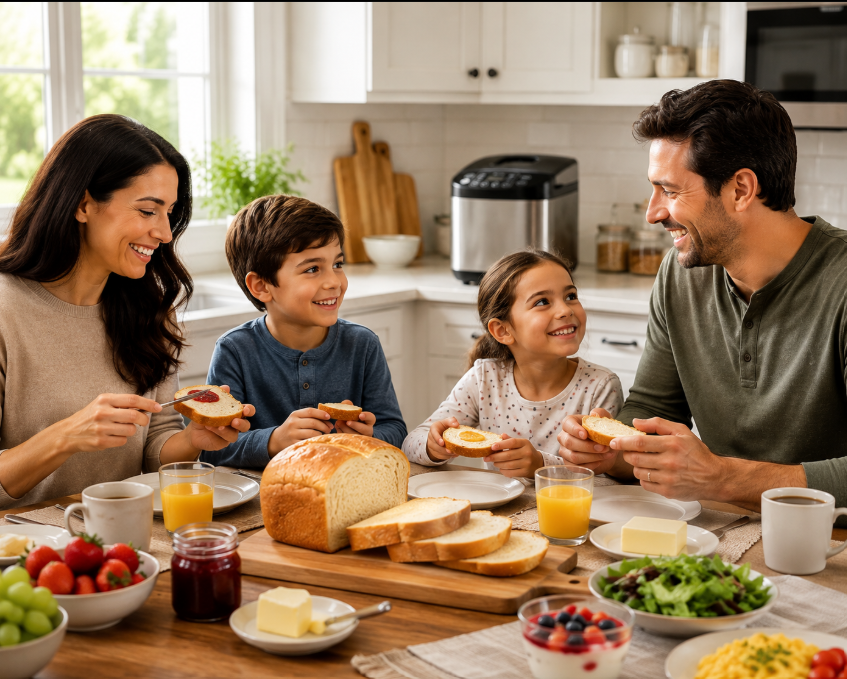
Bread makers come in various sizes and feature sets to suit different households and baking needs. Understanding the different types can help you choose the best model for your kitchen.
1. Basic Bread Makers
Basic bread makers are designed for everyday baking. They usually include programs for white bread, whole wheat bread, and dough preparation. These models are affordable, easy to operate and ideal for beginners.
If you simply want fresh homemade bread without extra features, a basic bread maker is an excellent choice.
Best For:
- Beginners
- Small families
- Everyday bread baking

2. Programmable Bread Makers
Programmable bread makers allow users to customize baking cycles, loaf size, crust color and timers. Many models include delay-start functions so you can schedule fresh bread whenever you want.
Some advanced machines even remember your favorite settings for future use.
Best For:
- Regular home bakers
- Families
- Busy professionals

3. Gluten-Free Bread Makers
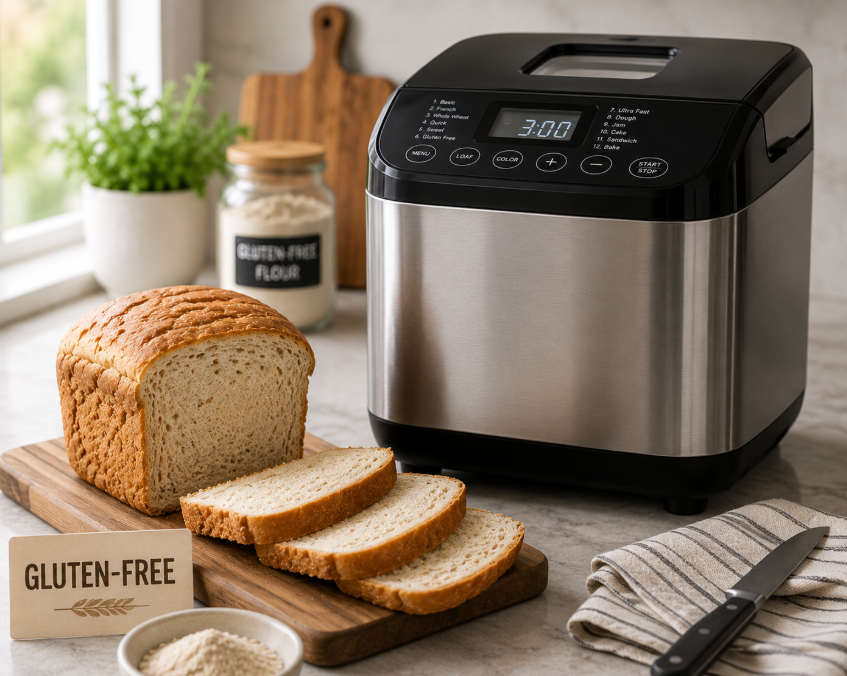
Many modern bread makers include a dedicated gluten-free program. Since gluten-free dough behaves differently from traditional wheat dough, these machines use specially designed mixing and baking cycles to produce better results.
They are an excellent option for people with gluten intolerance or celiac disease.
Best For:
- Gluten-free diets
- Health-conscious families
4. Multi-Function Bread Makers
These premium bread makers do much more than bake bread. Depending on the model, they can prepare:
- Pizza dough
- Cake
- Jam
- Yogurt
- Pasta dough
- Sweet bread
- Brioche
Their versatility makes them one of the most useful appliances in a modern kitchen.
Best For:
- Home chefs
- Large families
- People who enjoy baking

Common Uses of a Bread Maker
A bread maker is much more versatile than many people realize. Besides baking traditional bread, it can prepare a variety of delicious recipes.
Some common uses include:
White Bread
Perfect for everyday sandwiches and toast.
Whole Wheat Bread
A healthier option with added fiber and nutrients.
Multigrain Bread
Made using different grains and seeds for extra flavor and nutrition.
Gluten-Free Bread
Special baking cycles produce soft gluten-free loaves.
Pizza Dough
Prepare smooth, perfectly kneaded dough ready for homemade pizza.
Cinnamon Rolls and Buns
Many bread makers prepare dough that can be shaped into rolls and pastries.
Cake
Several models include a cake program for quick homemade desserts.
Jam
Some bread makers automatically cook fruit into delicious homemade jam.
Dough for Bread Rolls
Prepare dough for dinner rolls, burger buns, and other baked goods.

Advantages of Using a Bread Maker
A bread maker offers numerous benefits that make baking easier and more enjoyable.
Fresh Bread Anytime
One of the biggest advantages is enjoying warm, freshly baked bread whenever you want.
Saves Time
Instead of mixing, kneading, and monitoring dough manually, the bread maker completes every step automatically.
Healthier Ingredients
You control exactly what goes into your bread. You can reduce salt, sugar, preservatives and artificial additives while using healthier flours and grains.
Cost-Effective
Although purchasing a bread maker requires an initial investment, regularly baking bread at home can reduce the cost of buying premium bakery loaves.
Consistent Results
Automatic programs ensure that each loaf is mixed, kneaded and baked consistently, reducing the chance of baking errors.
Easy to Use
Most bread makers only require adding ingredients, selecting a program and pressing the Start button.
Less Kitchen Mess
Since mixing and kneading occur inside the bread pan, cleanup is much easier than traditional bread baking.
Versatile Appliance
A single machine can prepare bread, dough, cakes, jam and many other recipes, making it a valuable multi-purpose kitchen appliance.
Is a Bread Maker Worth Buying?
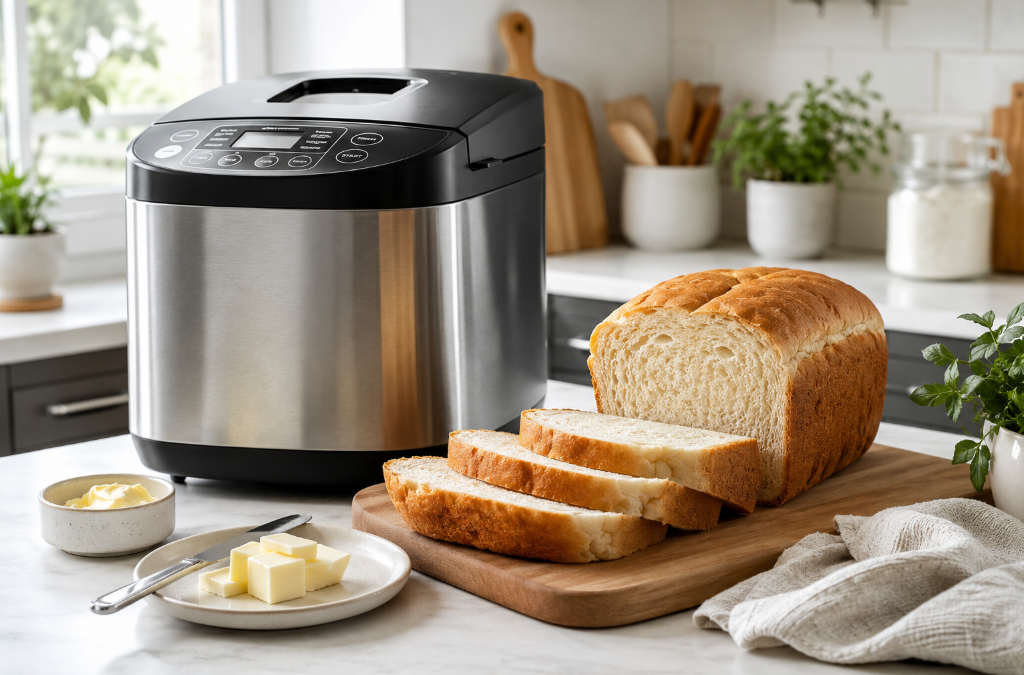
If your family regularly eats bread or you enjoy baking, a bread maker can be a worthwhile investment. It offers convenience, healthier homemade loaves and the flexibility to experiment with different recipes without requiring advanced baking skills.
From busy professionals to beginner bakers, many people appreciate the ability to prepare fresh bread with minimal effort and consistent results.
Disadvantages of a Bread Maker
Although bread makers offer convenience and excellent results, they also have a few limitations that buyers should consider.
1. Takes Up Counter Space
Bread makers are larger than many small kitchen appliances, so they require dedicated storage or countertop space.
2. Initial Purchase Cost
Quality bread makers can be more expensive than basic kitchen appliances. However, regular home baking can help recover the cost over time.
3. Limited Loaf Shapes
Most bread makers bake bread in a rectangular or vertical loaf shape, which may differ from traditional bakery loaves.
4. Longer Baking Time
Although the process is automatic, a loaf usually takes 2–5 hours to complete depending on the selected program.
5. Learning Curve
Beginners may need a few attempts to find the perfect ingredient measurements and recipes.
How to Choose the Right Bread Maker
Choosing the best bread maker depends on your family’s needs, budget and baking habits. Here are the most important features to consider.
Loaf Capacity
Choose the right loaf size based on your household.
- 1 lb (450 g): 1–2 people
- 1.5 lb (680 g): Small family
- 2 lb (900 g): Medium to large family
Number of Programs
Look for models with multiple automatic programs, including:
- White Bread
- Whole Wheat
- French Bread
- Gluten-Free
- Sweet Bread
- Dough
- Cake
- Jam
More programs provide greater flexibility for different recipes.
Crust Control
Many bread makers allow you to choose:
- Light
- Medium
- Dark
This lets you customize the crust according to your preference.
Delay Timer
A delay timer allows you to prepare the ingredients in advance and schedule the baking cycle. Imagine waking up to the smell of freshly baked bread in the morning.
Keep Warm Function
This feature keeps bread warm for a period after baking without overcooking it.
Viewing Window
A transparent window lets you check the baking process without opening the lid and releasing heat.
Non-Stick Bread Pan
A high-quality non-stick pan makes removing the loaf and cleaning the machine much easier.
Build Quality and Warranty
Choose a bread maker from a reputable brand that offers a good warranty and reliable customer support.

Safety Tips When Using a Bread Maker
Follow these safety practices to ensure safe operation and extend the appliance’s lifespan.
- Place the bread maker on a stable, heat-resistant surface.
- Never block the ventilation openings.
- Do not touch hot surfaces during baking.
- Use oven gloves when removing the bread pan.
- Unplug the appliance before cleaning.
- Keep children away while the machine is operating.
- Follow the manufacturer’s instructions for ingredients and programs.

Cleaning and Maintenance
Regular cleaning keeps your bread maker working efficiently and helps extend its lifespan.
After Every Use
- Allow the machine to cool completely.
- Remove the bread pan and kneading paddle.
- Wash them with warm water and mild dish soap.
- Dry all parts thoroughly before reassembling.
Cleaning the Exterior
Use a soft damp cloth to wipe the outside of the machine.
Never immerse the main unit in water.
Maintenance Tips
- Remove bread crumbs regularly.
- Inspect the kneading paddle for wear.
- Avoid using metal utensils inside the non-stick bread pan.
- Store the appliance in a dry location.

Frequently Asked Questions (FAQs)
Can a bread maker make gluten-free bread?
Yes. Many modern bread makers include a dedicated gluten-free baking program.
Can I make pizza dough in a bread maker?
Absolutely. Most bread makers have a dough setting that mixes and kneads pizza dough perfectly.
How long does it take to bake bread in a bread maker?
Most baking cycles take between 2 and 5 hours, depending on the selected program and loaf size.
Is homemade bread healthier than store-bought bread?
Often, yes. Homemade bread allows you to control the ingredients and avoid unnecessary preservatives and additives.
Does a bread maker use a lot of electricity?
No. Bread makers are generally energy-efficient and consume relatively little electricity compared to many kitchen appliances.
How long does a bread maker last?
With proper care and maintenance, a quality bread maker typically lasts 5–10 years or even longer.
Conclusion
A bread maker is one of the most convenient appliances for anyone who enjoys fresh homemade bread without the time and effort of traditional baking. From mixing and kneading to proofing and baking, it automates every step, making it suitable for both beginners and experienced home bakers.
Whether you want classic white bread, healthy whole wheat loaves, gluten-free recipes or even pizza dough and homemade jam, a quality bread maker can handle a wide range of tasks with ease.
Before buying, compare important features such as loaf capacity, automatic programs, crust settings, delay timer and ease of cleaning. Choosing the right model will help you enjoy delicious homemade bread for years to come.
If you’re still wondering what is a bread maker, the answer is simple: it’s a smart kitchen appliance that makes baking fresh, delicious bread easier, more convenient and more enjoyable.

Also Read Bout: Air Fryer, Microwave Oven and Blender.
The U.S. Food & Drug Administration (FDA) also recommends safe food handling and proper cleaning of kitchen equipment.